Ouachita Thornless Blackberry Bush

$29.99
(No reviews yet) Write a Review
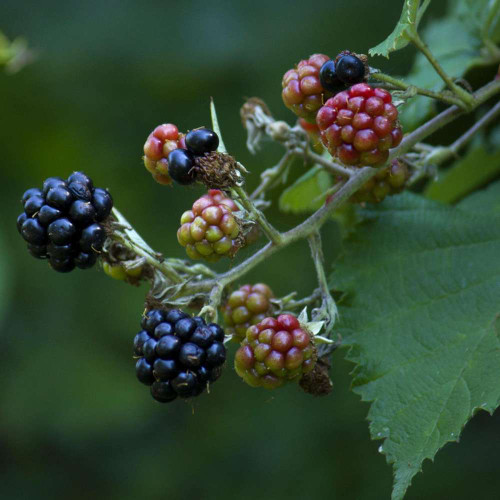
  • Produces firm, sweet, glossy berries with excellent mid‑season reliability.
  • Features smooth, thornless, upright canes that simplify harvesting and maintenance.
  • Delivers high yields with strong resistance to common blackberry diseases.
Adding to cart… The item has been added

Ouachita Thornless Blackberry Bush

Type: Thornless Blackberry
Zone: 6–9
Ripening Time: Mid Season
Pollination: Self-fertile

Product Overview

The Ouachita Thornless Blackberry Bush is a highly regarded variety known for its sweet flavor, firm berries, and excellent productivity. Developed by the University of Arkansas blackberry breeding program, Ouachita produces medium to large blackberries with a balanced sweetness that makes them perfect for fresh eating, baking, and homemade preserves.

This vigorous plant features completely thornless canes, making harvesting easier and more enjoyable than traditional blackberry varieties. With its dependable yields and strong growth habit, Ouachita is an excellent choice for home gardens, berry patches, and backyard growers looking for reliable blackberry production during the mid-season harvest.

Key Features

• Medium to large berries with sweet, well-balanced flavor
• Completely thornless canes for easier harvesting
• Mid-season harvest
• Vigorous plants with dependable productivity
• Excellent choice for home gardens and berry patches

How to Grow

Planting Basics: Blackberries are hardy and easy to grow when planted correctly.

Sunlight: Choose a full-sun location with 6–8 hours of direct sunlight daily. Full sun helps produce sweeter berries and stronger canes.

Soil Requirements: Blackberries grow best in well-drained soil with a pH of 5.5–6.5. Avoid wet, low, or poorly draining areas where roots may stay soggy.

Soil Prep: Loosen soil 12–18 inches deep before planting. Mix in pine bark fines and compost to improve drainage, structure, and organic matter.

Where to Plant: Choose a location with good airflow to help reduce disease pressure. Avoid planting where water stands after rain.

Spacing:

  • Erect varieties: 3–4 ft apart
  • Rows: 8–10 ft apart

Planting Depth: Plant blackberries at the same depth they were growing in the nursery pot. Do not bury the crown too deeply.

Mulching: Apply 2–4 inches of pine bark, pine needles, or straw around the plant. Keep mulch pulled slightly away from the crown to prevent rot.

Water After Planting: Deep soak immediately after planting. Water 2–3 times weekly for the first month while roots establish.

Container Growing: Use a 10–20 gallon container with an acidic, well-draining potting mix. Make sure the container has excellent drainage and elevate pots slightly to prevent standing water.

Crop Rotation: Avoid planting blackberries where tomatoes, peppers, potatoes, or strawberries have grown within the last 3 years.

Watering Basics: Keep soil evenly moist, but never soggy. Consistent moisture is especially important during establishment, bloom, and fruiting.

Establishment Watering: Water 2–3 times weekly for the first month. After plants are established, provide 1–2 deep soakings per week depending on rainfall and heat.

Deep Watering: Water at the base of the plant instead of overhead. This helps reduce leaf diseases and keeps foliage drier.

Mulch for Moisture: Maintain 2–4 inches of pine bark, pine needles, or straw to conserve moisture, suppress weeds, and reduce watering needs.

Drought Signs: Watch for wilting tips, small berries, or red-tinted leaves. These may indicate the plant needs more consistent watering.

Fertilizer Timing:

  • Feed in early spring as new growth begins.
  • Feed again in late spring to support cane growth and fruit production.

Fertilizer Type: Use a balanced, slow-release fertilizer such as 10-10-10, Berry-tone, or a lighter blend such as 4-4-4. Blackberries tolerate more fertilizer than blueberries and respond well to moderate feeding.

What NOT to Do: Avoid high-nitrogen lawn fertilizers. Too much nitrogen can cause excessive leafy growth and reduce fruiting.

Organic Options: Compost, cottonseed meal, or fish emulsion can be used to support healthy growth. Compost is excellent for blackberries but should be used carefully with blueberries.

Container Feeding: Use a slow-release fertilizer in spring, then apply a liquid feed every 4–6 weeks during the growing season.

Irrigation Systems: Drip irrigation or soaker hoses are the most efficient watering options and help reduce disease by keeping leaves dry.

Growth Habit:

  • Primocanes: First-year canes that usually do not fruit.
  • Floricanes: Second-year canes that produce fruit. Remove them after harvest.

Trellising: Erect blackberry varieties benefit from a simple two-wire trellis. Trellising improves airflow, makes harvesting easier, and helps support heavy fruiting canes.

Summer Tipping: Tip primocanes when they reach 36–48 inches tall. This encourages branching and can lead to bigger yields.

Winter Pruning:

  • Remove all spent floricanes after harvest or during dormancy.
  • Keep 4–6 strong primocanes per plant.
  • Shorten lateral branches to 12–18 inches.

Training Canes: Tie canes loosely to trellis wires to improve airflow, keep plants organized, and make harvest easier.

Container Cane Care: Tip and thin container-grown blackberries more often to prevent overcrowding and improve light penetration.

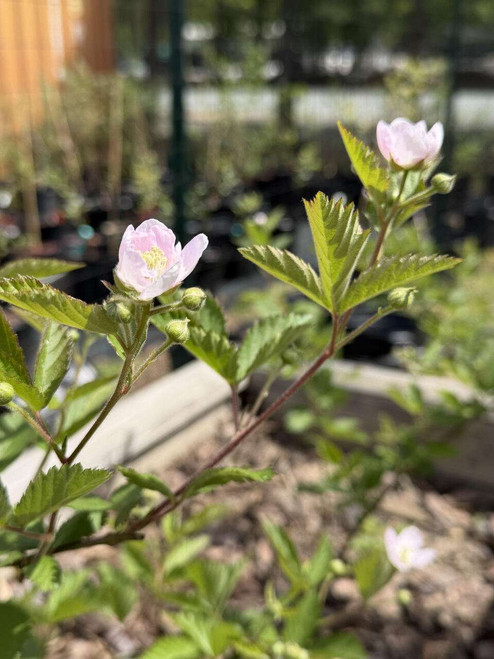
Pollination: Blackberries are self-fertile, but planting multiple plants can improve overall yield and fruit set.

Bee Activity: Avoid spraying during bloom. Pollinators help increase berry size and improve fruit production.

Fruit Set: Keep soil consistently moist during bloom and early fruiting. Drought stress during this stage can reduce berry size and quality.

Cluster Support: Tie heavy fruiting branches to the trellis to prevent bending or breakage.

Sun Exposure: Full sun produces the sweetest berries and strongest growth.

Ripening: Harvest berries when they are fully black, glossy, and slightly soft. Berries picked too early may taste tart.

Harvesting: Pick every 2–3 days during peak season to keep berries fresh and encourage continued production.

Bird Protection: Use netting or reflective tape if birds become a problem.

Container Fruit Care: Containers dry out faster than in-ground plantings. Water daily during fruiting when weather is hot or dry.

Disease Prevention: Keep plants open and airy by removing weak, crowded, or crossing canes. Good airflow helps reduce disease.

Sanitation: Clean up old leaves, mulch, and spent canes after harvest. Removing plant debris helps lower pest and disease pressure.

Mulch Refreshing: Add fresh mulch yearly to maintain moisture and suppress weeds. Keep mulch away from the crown.

Common Diseases:

  • Anthracnose: Purple cane spots. Improve airflow and remove infected canes.
  • Cane Blight: Sudden cane wilt. Remove affected canes at ground level.
  • Orange Rust: Bright orange spores. Remove the entire plant, as this disease is not curable.
  • Leaf Spot: Dark spots on leaves. Improve airflow and remove affected foliage.

Pests:

  • Japanese Beetles: Hand-pick beetles or use traps placed away from plants.
  • Aphids: Curled leaves may indicate aphids. Treat with insecticidal soap.
  • Spider Mites: Look for webbing or stippled leaves. Treat with horticultural oil.
  • Cane Borers: Swollen cane tips may indicate borers. Prune 6–8 inches below the swelling.

Winter Care: Add mulch after the first frost. Avoid heavy fall pruning, which can encourage tender new growth before winter.

Spring Check: Remove winter-damaged tips and secure canes to the trellis as new growth begins.

Frost Protection: Cover young plants during late cold snaps to protect tender growth and blooms.

Container Winter Care: Move pots to a protected area during winter and water lightly as needed to keep roots from fully drying out.