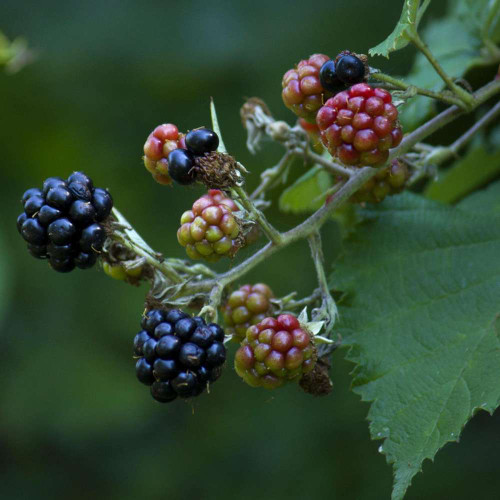
Ponca Thornless Blackberry Bush

$24.99 - $39.99
(No reviews yet) Write a Review
  • Produces very sweet, medium‑large berries with excellent overall flavor.
  • Grows vigorous, thornless upright canes that are easy to manage.
  • Offers high yields with strong disease resistance and early ripening.
BUY MORE
SAVE MORE
Buy 2 (20% Off)
Buy 8 (25% Off)
Buy 12 (30% Off)
Adding to cart… The item has been added

Ponca Thornless Blackberry Bush

Type: Thornless, Erect
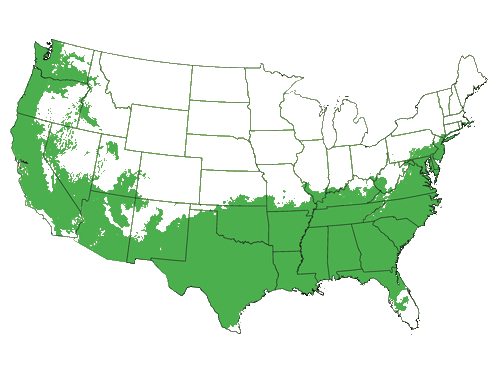
Zone: 5–9
Ripening Time: Very Early Season
Pollination: Self-fertile

Product Overview

The Ponca Thornless Blackberry Bush is one of the earliest ripening blackberry varieties available, producing high-quality berries with exceptional sweetness and flavor. Developed by the University of Arkansas breeding program, Ponca consistently ranks among the best-tasting blackberries.

Its upright, thornless canes make harvesting easy while the plant’s vigorous growth ensures reliable yields. Ponca is an excellent choice for gardeners who want an early harvest of sweet, flavorful berries.

Key Features

Exceptionally sweet berries with outstanding flavor
One of the earliest ripening blackberry varieties
Thornless upright canes for easy picking
Vigorous plants with strong productivity
Perfect for fresh eating and homemade desserts

Brightwell Blueberry Bush

Rabbiteye Vaccinium ashei

Foliage ColorGreen

Flower ColorPink/White

Mature Width 6-8 ft

Mature Height 6-8 ft

Growing Zones 7-9 Outdoor

map-img

How to Grow

Planting Basics: Blackberries are extremely forgiving, but planting them correctly helps produce bigger harvests and reduces future disease issues.

Sunlight: Choose a location with full sun and at least 6–8 hours of direct light each day.

Soil: Blackberries grow best in well-drained soil with a slightly acidic to neutral pH of 5.5–7.0.

Spacing: Space plants 3–5 feet apart in rows 8–10 feet apart. Erect varieties such as Ponca, Caddo, Arapaho, Apache, Ouachita, Natchez, and Immaculate can be planted a little closer, while trailing varieties need more room to spread.

Planting Depth: Plant blackberries at the same depth they were growing in the nursery pot.

Mulching: Apply 2–4 inches of mulch to help conserve moisture and suppress weeds.

Crop Rotation: Avoid planting where tomatoes, peppers, potatoes, or strawberries have grown within the last 3 years to help reduce the risk of soil-borne diseases.

Watering: Keep the soil evenly moist during the first year. Water deeply once or twice per week depending on rainfall and temperature.

Established Plants: Once established, blackberries are fairly drought-tolerant, but they produce best with steady moisture during bloom and fruiting.

Fertilizer Timing: Feed plants in early spring as new growth begins.

Fertilizer Type: Use a balanced slow-release fertilizer such as 10-10-10 or something similar.

Avoid: Do not use high-nitrogen fertilizers, as they encourage excessive leafy growth and can reduce berry production.

Soil Improvement: Add compost or pine bark fines each year to improve soil structure and long-term plant health.

Understanding Cane Types: Blackberries grow on biennial canes. Primocanes are first-year canes that are green and vigorous. Floricanes are second-year canes that produce fruit and then die.

After Harvest: Remove spent floricanes at ground level once harvest is complete.

Summer Pruning: Tip primocanes when they reach 3–4 feet tall to encourage branching and improve future yields.

Winter Pruning: Thin canes down to 4–6 of the strongest canes per plant.

Trellising: Erect varieties benefit from a simple T-post or two-wire trellis, which helps keep fruit clean, supports the canes, and makes harvesting easier.

Pollination: Blackberries are self-fertile, so one plant is enough to produce fruit.

Multiple Varieties: Planting more than one variety is not required for pollination, but it can help increase total yield and extend the harvest season.

When Plants Fruit: Expect fruit beginning in year 2, with full production often reached by years 3–4.

Harvest Window: Harvest season varies by variety. Combining early-, mid-, and late-season types can provide a harvest window lasting 6–8 weeks.

Site Selection: Choose a sunny, well-drained planting site to reduce the risk of root rot and other moisture-related issues.

Airflow: Thin canes each year to maintain strong airflow through the plant, which helps reduce disease pressure.

Post-Harvest Cleanup: Remove old fruiting canes promptly after harvest to limit disease spread and keep the planting tidy.

Mulching: Use mulch to help prevent weeds and reduce moisture stress during hot weather.

Winter Care: Prune plants and clean up debris around the base during the dormant season.

Humid Climates: In humid regions, watch for anthracnose or cane blight. Preventative copper or sulfur sprays may be used if needed.