Brightwell Blueberry Bush
Rabbiteye Vaccinium ashei

Foliage ColorGreen

Flower ColorPink/White
 Mature Width 6-8 ft
 Mature Height 6-8 ft
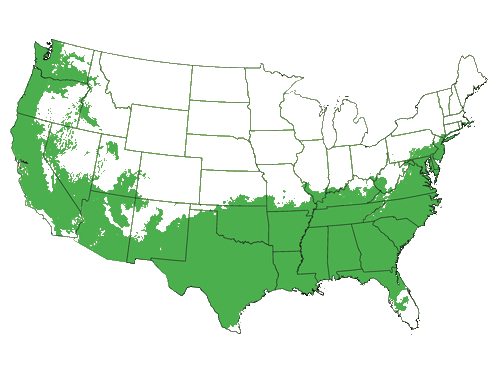
 Growing Zones 7-9 Outdoor


Rabbiteye Vaccinium ashei
Foliage ColorGreen
Flower ColorPink/White
Mature Width 6-8 ft
Mature Height 6-8 ft
Growing Zones 7-9 Outdoor
Soil Requirements: Blueberries need acidic soil with a pH of 4.5–5.5. Soil must be well-draining and rich in organic matter. Heavy clay or poorly draining soil should be amended or planted on a raised mound.
Where to Plant: Choose a location with full sun (6–8 hours daily) and good airflow. Avoid low spots, wet areas, or anywhere water stands after rain.
Planting Hole or Raised Mound: Dig a hole twice as wide as the container. Blend the native soil with pine bark fines and peat moss to help lower the pH if your soil is above the ideal range. Use additional soil mix to create a slight mound, especially in clay or slow-draining areas, to keep roots elevated and prevent rot.
Soil Amendments:
Spacing: You can plant closer than recommended and manage plant size with pruning. Ensure there is enough room to walk and mow between rows if planting multiple bushes.
Mulching: Apply 1–2 inches of pine bark or pine needles around the base. Do not pile soil or mulch directly against the crown, which can suffocate the plant and cause stem rot.
Water After Planting: Give a deep soak immediately after planting. Water 2–3 times per week during the first month while roots establish. Water at the base of the plant rather than the leaves to help prevent leaf spot.
Container Growing: Grow in a 10–15 gallon container filled with an acidic mix made for azaleas, camellias, or blueberries, or blend your own using the materials above. Ensure excellent drainage, add extra holes if needed, and keep the pot on gravel or slightly raised off the ground to prevent standing water.
Watering Schedule:
Signs of Underwatering: Drooping leaves, small berries, or leaf scorch.
Signs of Overwatering: Yellow leaves, root rot, or slow growth.
Fertilizer Timing:
Fertilizer Type: Use an acid-forming, slow-release fertilizer with elemental sulfur. Products such as Espoma Berry-tone or Holly-tone work well. Feed plants in early spring and repeat again in midsummer.
What NOT to Do: Do not use manure or high-nitrogen fertilizers. Blueberries are sensitive to over-fertilization.
Mature Plants:
When to Prune: Late winter while the plant is dormant.
Why Prune: Encourages larger berries, stronger new growth, and better airflow.
Best Pairings:
Bloom-Time Matching: Pair varieties with overlapping bloom times (Early, Mid, Late).
Mulch: Helps retain moisture, suppress weeds, and reduce disease.
Soil pH Checks: Test soil yearly since blueberries decline if pH rises above the ideal range.
Common Issues:
Pest Prevention:
Winter Care: Apply heavier mulch and protect young plants from extreme cold.
Rejuvenation: Remove the oldest canes every 3–4 years to maintain productivity.
Leaf Spot: Leaf spot appears as small brown or purple spots on leaves. Remove affected foliage and treat with copper fungicide or another fungicide recommended for blueberries. Water at the base of the plant rather than the leaves to help prevent the disease. Many blueberry varieties naturally change color and drop leaves in the fall.